
Sheetrock Texture Patterns
Sheetrock Texture Patterns - Web drywall texture — especially under the guise of walls and ceilings — is made with gypsum and paper backings that create lines, shapes, ridges, knobs, and other designs in various lengths, sizes, and widths, creating a unique appearance and surface. Web do you want to create an aesthetically pleasing wall texture? There are many styles to choose from and some are. Plus, when you need to disguise imperfections and drywall seams, knowing how to texture walls yourself is. Web wall textures allow you to express your creativity, create depth, and aid in certain designs. Web wall textures can even work to cover up architectural imperfections and cosmetic blemishes such as cracks in your sheetrock. Web but, there is a wide range of drywall texture types, from the deceptively simple to shockingly complex. The result is a rough texture that imitates the appearance of layered stone. Web we’ve put together a list of twenty different drywall texture types you can use for your walls and ceilings. They cover up blemishes and add flair to otherwise flat, boring drywall. Web wall textures can even work to cover up architectural imperfections and cosmetic blemishes such as cracks in your sheetrock. From modern and smooth styles to classic and easy techniques, there are many different types of wall textures to choose from for an elegant finish. This method uses a paint roller to apply the drywall compound to the walls. We are starting our list with one of the most popular ceiling finishes in north america: By adding texture, you can transform the look and feel of a room without much cost. Web wall textures allow you to express your creativity, create depth, and aid in certain designs. Whether you’re remodeling or just wanting to identify a texture when you see it, you’ll find this guide helpful. We’ll cover the many types of textured walls and how to get the look. This technique is often used to produce a repeated series of rainbow. Plus, when you need to disguise imperfections and drywall seams, knowing how to texture walls yourself is. Do you want to enhance the look of plain drywall surfaces? Texturing a wall is an inexpensive way to add a unique and interesting touch to your rooms. We’ll cover the many types of textured walls and how to get the look. Drywall textures that require the use of texture sprayers are referred to as spray drywall textures. So if. Come take a look at our picks for the best wall texture types for your home. While smooth drywall can look sleek, it can also feel boring and show every imperfection. Web we’ve put together a list of twenty different drywall texture types you can use for your walls and ceilings. Drywall textures that require the use of texture sprayers. While the other two options may appear more subtle, stomp is the most visually textured. Web changing up textures is also a great strategy for covering up cracks and other cosmetic problems in your sheetrock. This texture was incredibly popular before the 1990s, and if the surface was installed before the 1980s, it most likely contains asbestos. Web but, there. This method uses a paint roller to apply the drywall compound to the walls. They cover up blemishes and add flair to otherwise flat, boring drywall. Web drywall textures are primarily used to add character to ceilings, however, they can be done on walls as well. This look is a classic for a reason. Web wall textures allow you to. Whether you’re remodeling or just wanting to identify a texture when you see it, you’ll find this guide helpful. Web but, there is a wide range of drywall texture types, from the deceptively simple to shockingly complex. We are starting our list with one of the most popular ceiling finishes in north america: While smooth drywall can look sleek, it. Drywall textures that require the use of texture sprayers are referred to as spray drywall textures. While the other two options may appear more subtle, stomp is the most visually textured. They cover up blemishes and add flair to otherwise flat, boring drywall. This texture was incredibly popular before the 1990s, and if the surface was installed before the 1980s,. Whether you’re remodeling or just wanting to identify a texture when you see it, you’ll find this guide helpful. Web texturing is very easy to apply on your wall with the help of drywall mud by using different tools like a roller with a pattern, brush, trowel, mud knife, hawk, comb, slap brush, sponge with a pattern and so many.. Plus, when you need to disguise imperfections and drywall seams, knowing how to texture walls yourself is. Web but, there is a wide range of drywall texture types, from the deceptively simple to shockingly complex. Web drywall texture — especially under the guise of walls and ceilings — is made with gypsum and paper backings that create lines, shapes, ridges,. While the other two options may appear more subtle, stomp is the most visually textured. Web drywall texture — especially under the guise of walls and ceilings — is made with gypsum and paper backings that create lines, shapes, ridges, knobs, and other designs in various lengths, sizes, and widths, creating a unique appearance and surface. It’s simple and a. Web but, there is a wide range of drywall texture types, from the deceptively simple to shockingly complex. Textures that are applied manually using basic hand tools are referred to as hand textures. This look is a classic for a reason. Plus, when you need to disguise imperfections and drywall seams, knowing how to texture walls yourself is. Texturing a. Web changing up textures is also a great strategy for covering up cracks and other cosmetic problems in your sheetrock. Drywall textures that require the use of texture sprayers are referred to as spray drywall textures. Whether you’re remodeling or just wanting to identify a texture when you see it, you’ll find this guide helpful. Web wall textures can even work to cover up architectural imperfections and cosmetic blemishes such as cracks in your sheetrock. Web drywall texture — especially under the guise of walls and ceilings — is made with gypsum and paper backings that create lines, shapes, ridges, knobs, and other designs in various lengths, sizes, and widths, creating a unique appearance and surface. Web the sheetrock ceiling texture is essentially a series of relatively straight lines applied in uneven patterns over the surface of the ceiling. They cover up blemishes and add flair to otherwise flat, boring drywall. By adding texture, you can transform the look and feel of a room without much cost. By using these various tools you can give different looks to your wall. Web in this video i'm showing you how to do a professional knockdown texture drywall finish. Web do you want to create an aesthetically pleasing wall texture? Web drywall textures are primarily used to add character to ceilings, however, they can be done on walls as well. We are starting our list with one of the most popular ceiling finishes in north america: Web but, there is a wide range of drywall texture types, from the deceptively simple to shockingly complex. Web we’ve put together a list of twenty different drywall texture types you can use for your walls and ceilings. The comb texture is produced using techniques that create lines of various widths and shapes in drywall compound.
Drywall Texture Patterns Pictures FREE PATTERNS

Sheetrock Texture in your Custom Home in 2020 Sheetrock texture
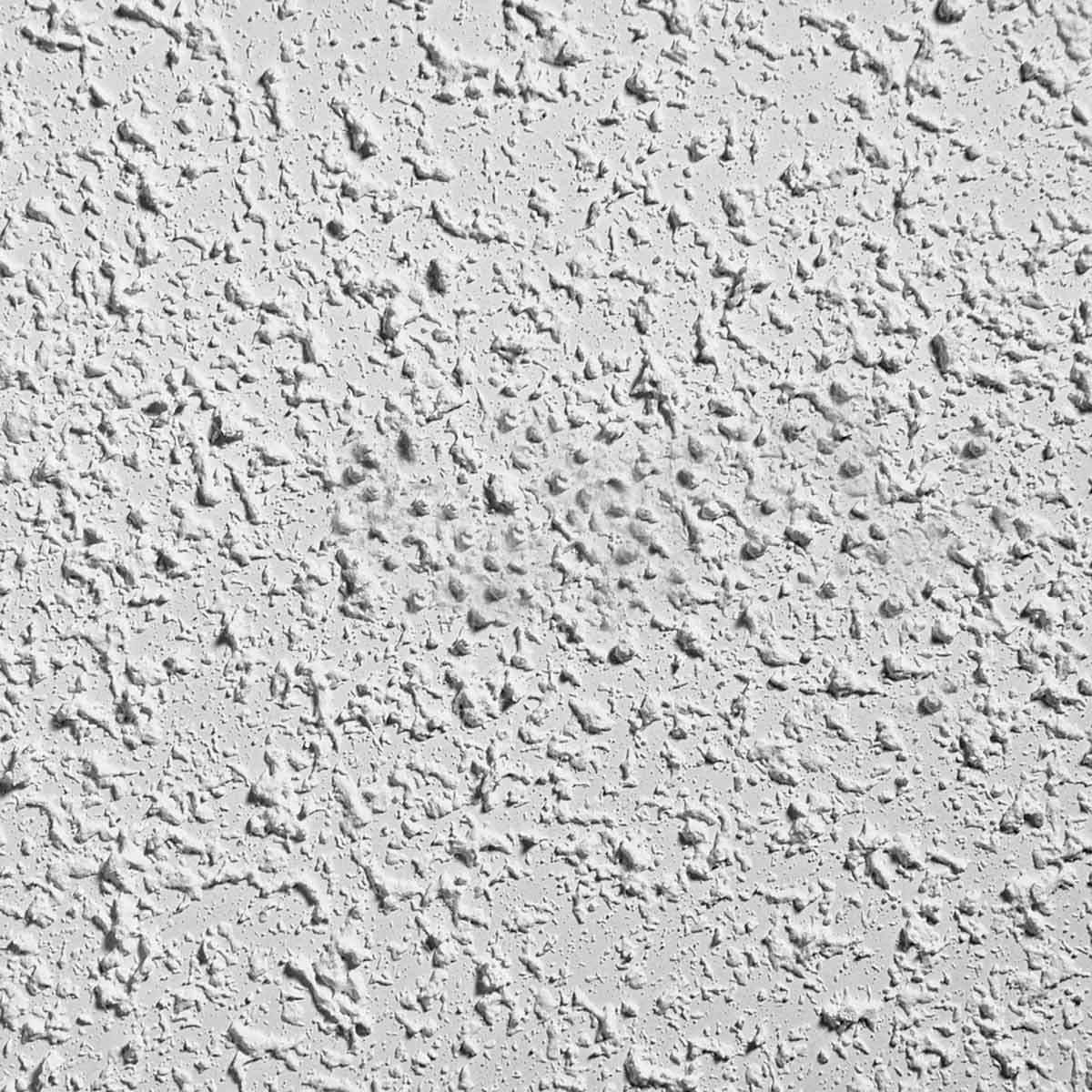
Drywall Texture Types You Need to Know Family Handyman
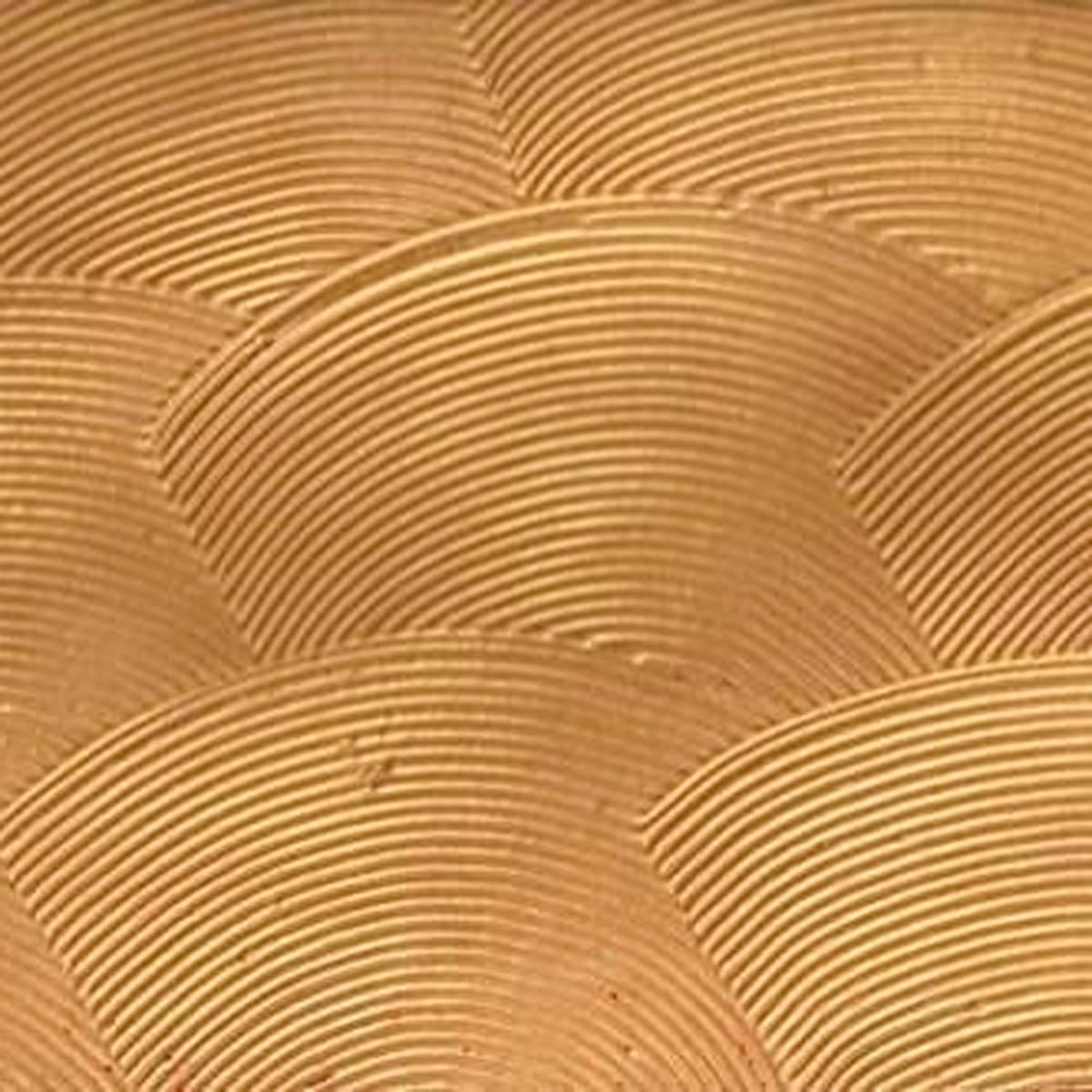
Drywall Texture Types You Need to Know Family Handyman
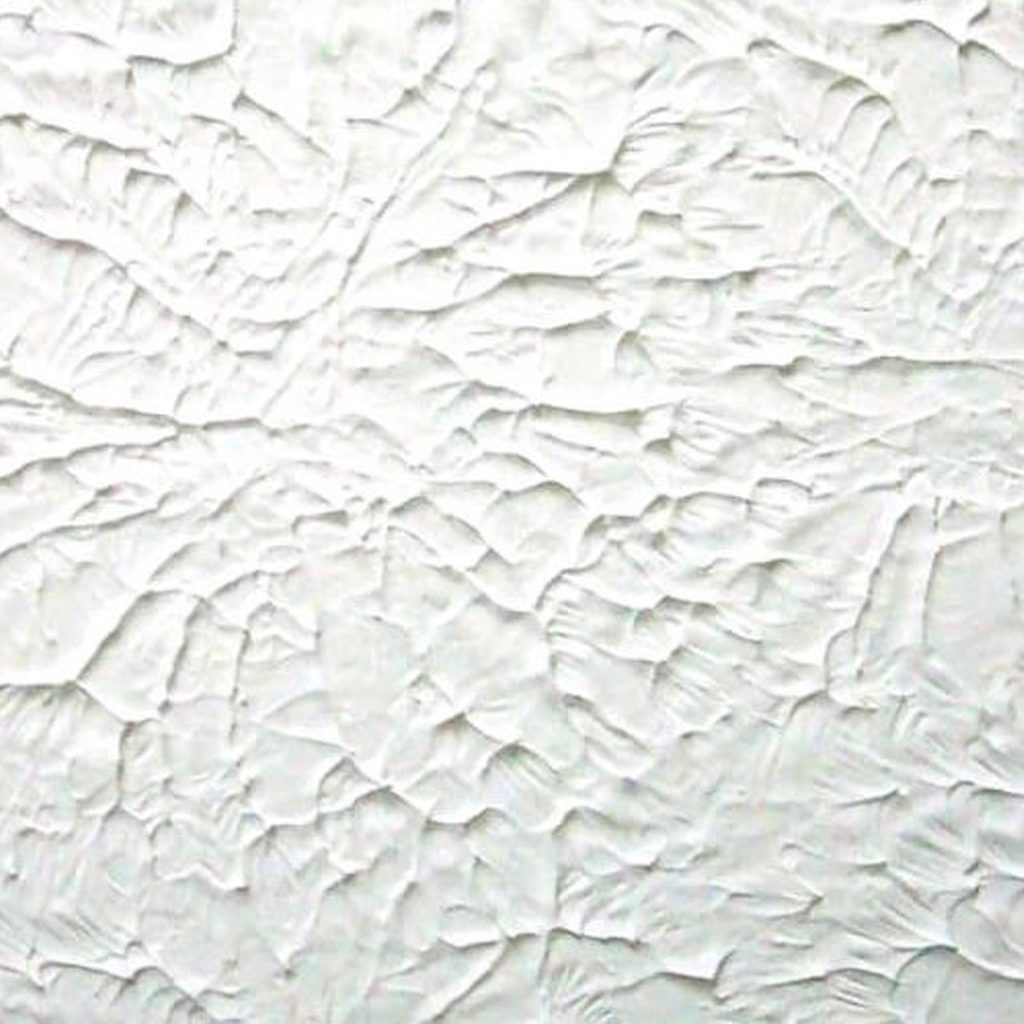
Drywall Texture Types You Need to Know Family Handyman

27 Enchanting Ceiling Texture Types for Your Beautiful Ceiling
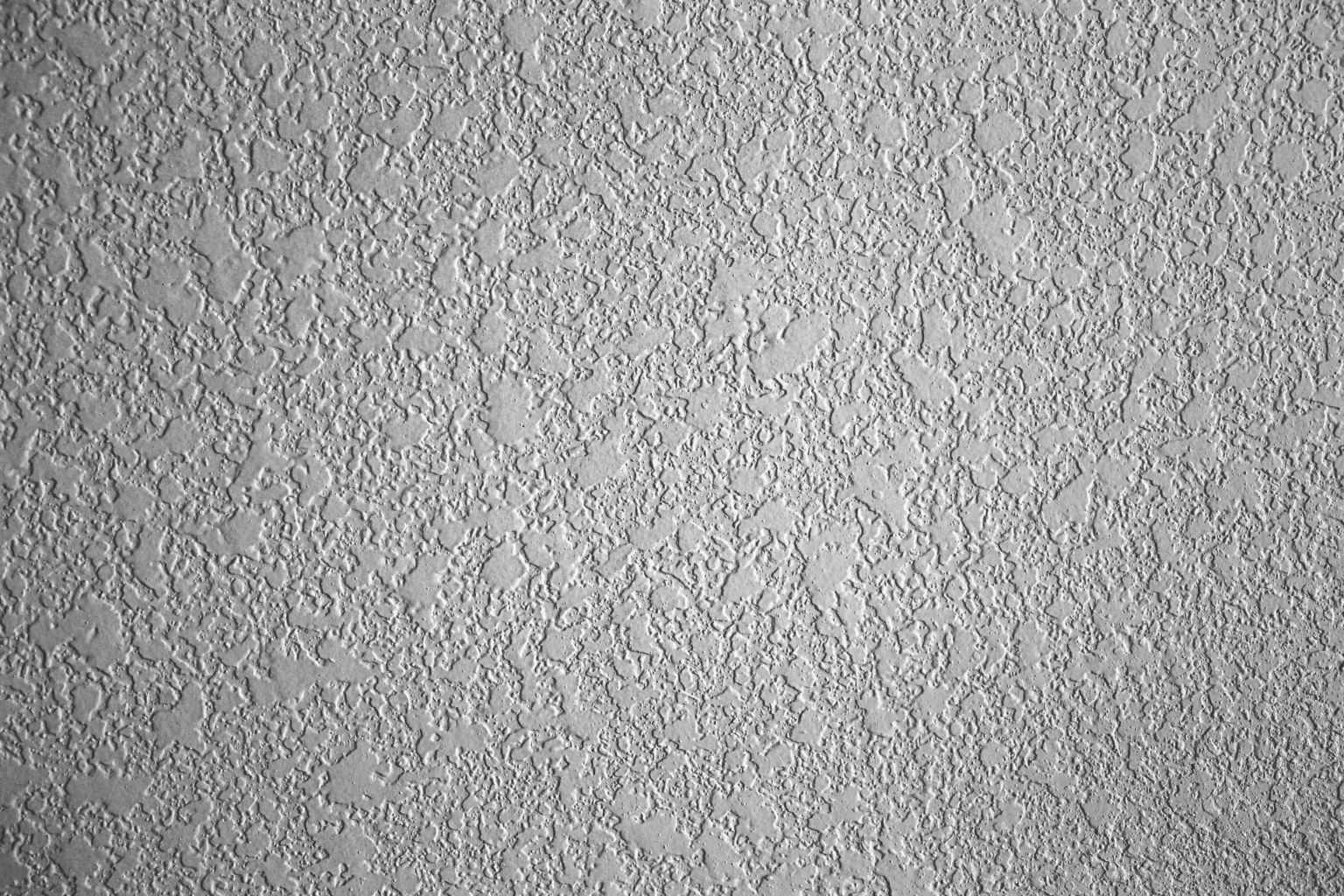
Drywall Texture Roller Patterns

Weber Drywall Gallery Weber Drywall Ceiling texture types, Wall
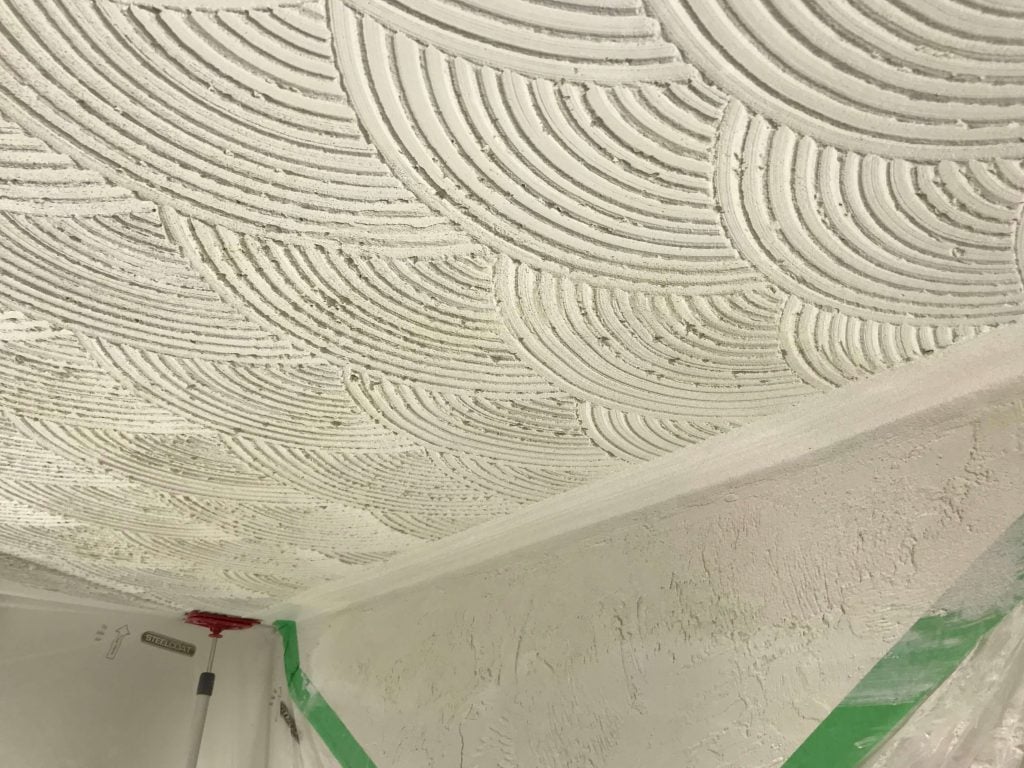
Learn About The Different Types Of Ceiling Textures And Drywall Options
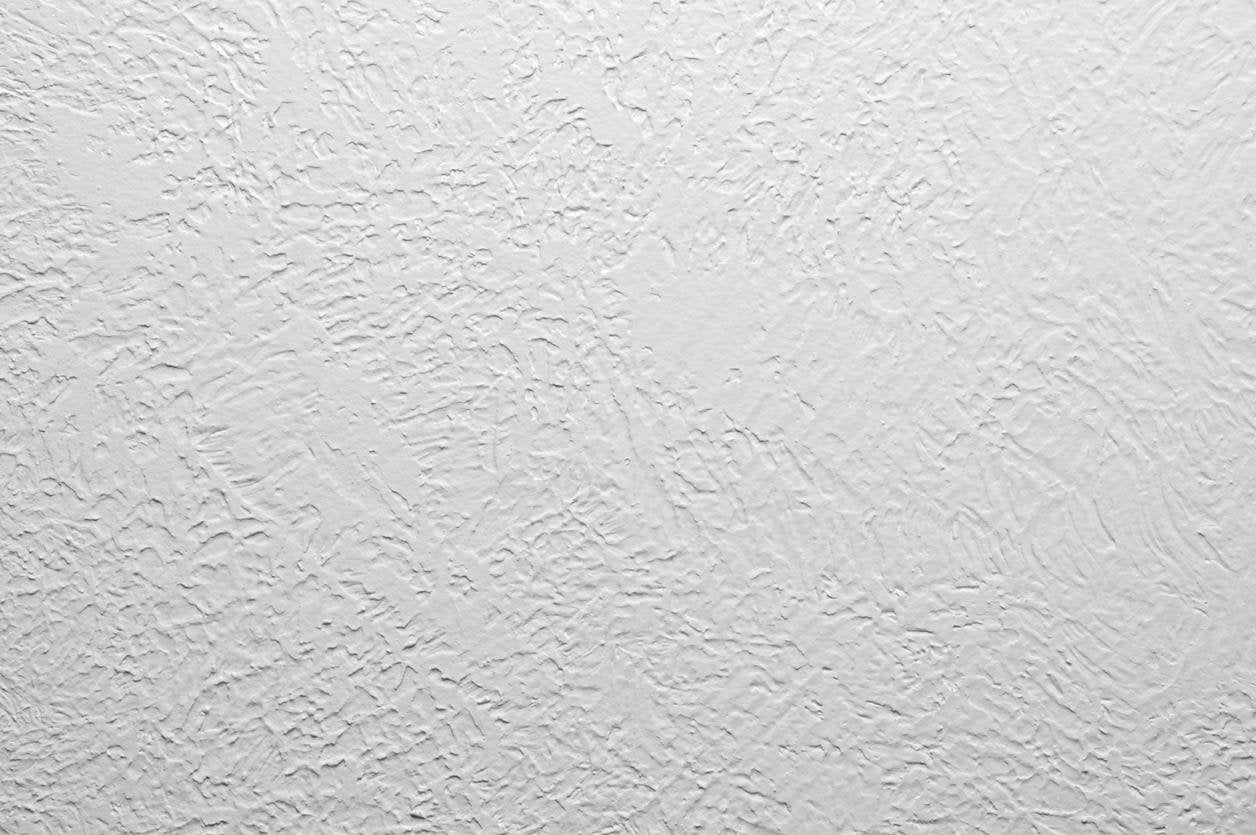
7 Wall Texture Types and How to Create Them Bob Vila
This Look Is A Classic For A Reason.
Web Texturing Is Very Easy To Apply On Your Wall With The Help Of Drywall Mud By Using Different Tools Like A Roller With A Pattern, Brush, Trowel, Mud Knife, Hawk, Comb, Slap Brush, Sponge With A Pattern And So Many.
This Texture Was Incredibly Popular Before The 1990S, And If The Surface Was Installed Before The 1980S, It Most Likely Contains Asbestos.
You Can Hire A Drywall Company To Texture Your Wall Or Do It Yourself.
Related Post: