
Reverse Head Shoulders Pattern
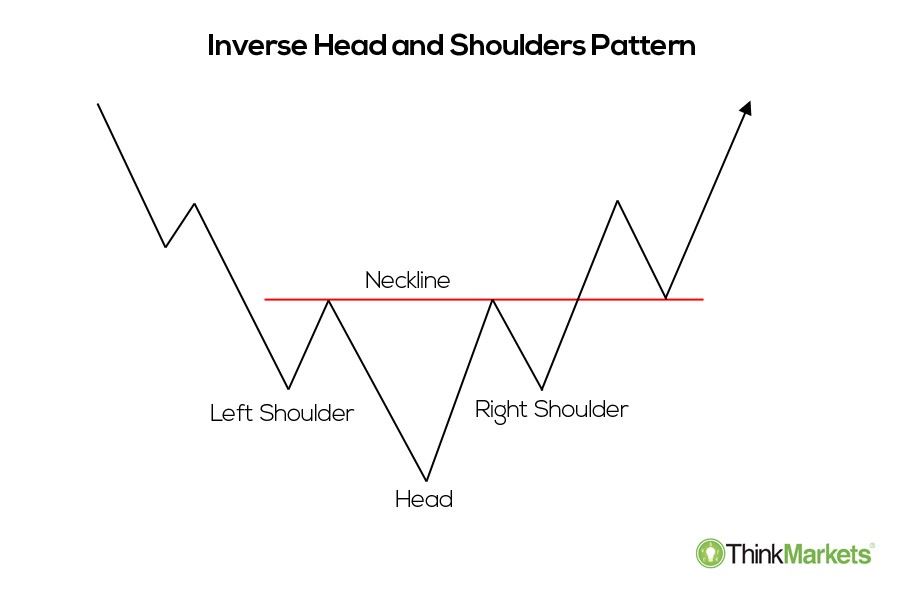
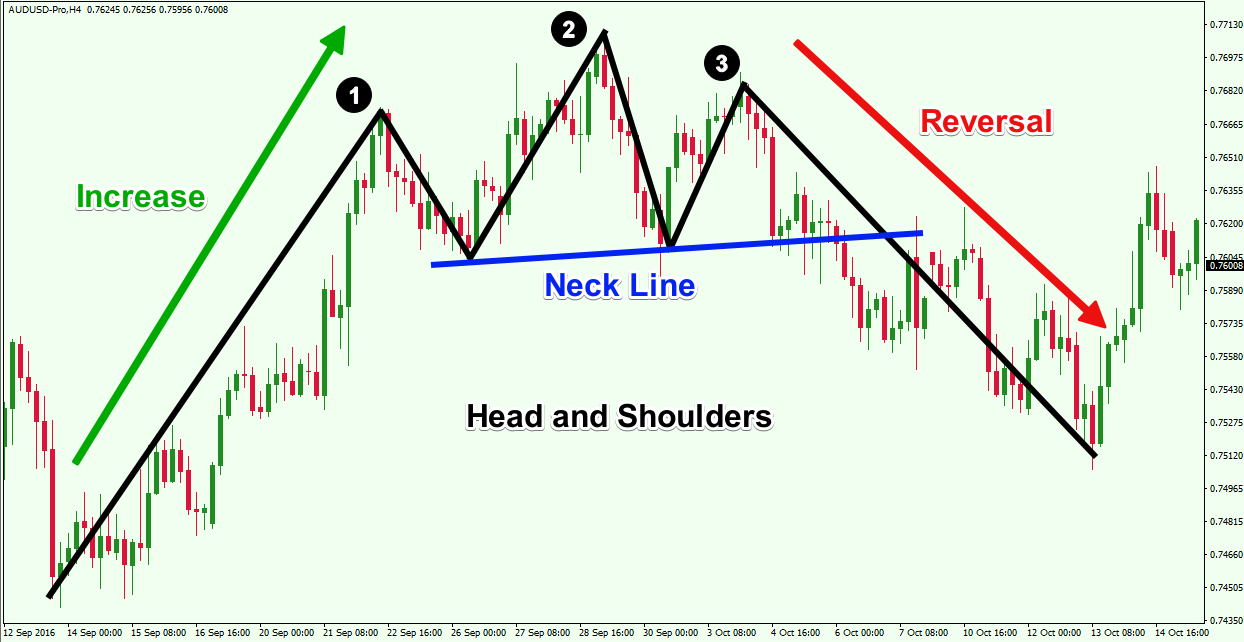
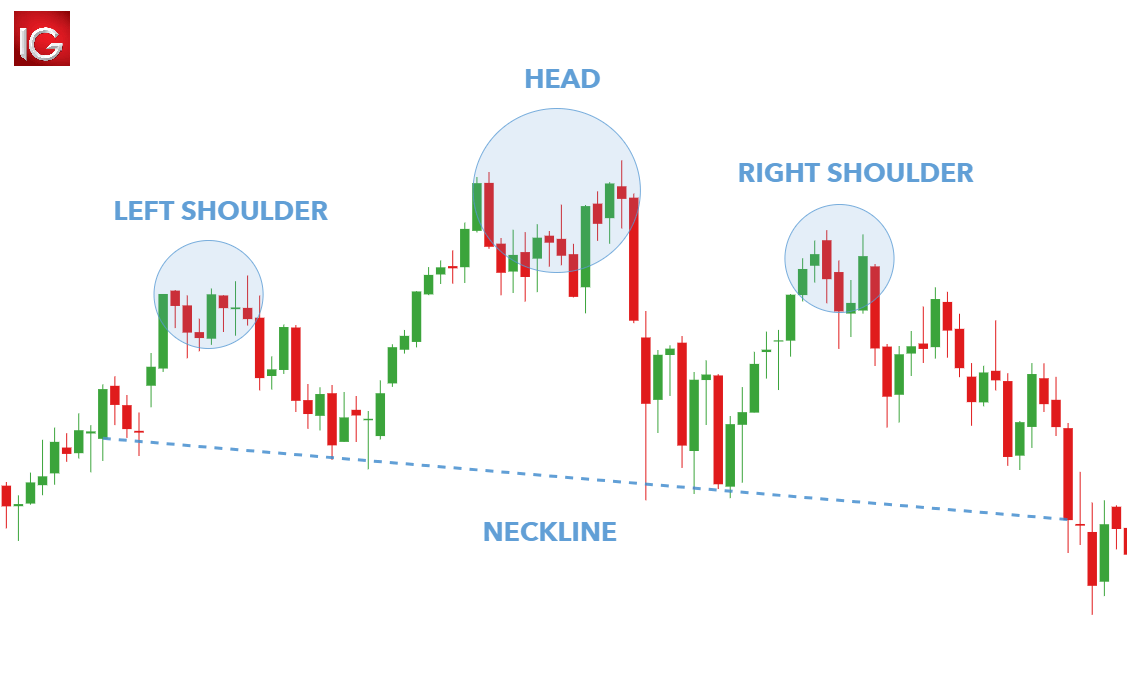
Reverse Head Shoulders Pattern - Web an inverse head and shoulders pattern is a technical analysis pattern that signals a potential trend reversal in a downtrend. The pattern appears as a head, 2 shoulders, and neckline in an inverted position. Web what is the inverse head and shoulders? The right shoulder on these patterns typically is higher than the left, but many times it’s equal. It is of two types: Head & shoulder and inverse head & shoulder. Historical pricing feeds the technical indicator and investors and analysts frequently use it to determine if a downward tendency is probable. Analysts often use the chart for stocks, but also for trading in forex, commodities, and. The inverse head and shoulders pattern is a bullish reversal pattern. Web what is an inverse head and shoulders pattern? However, if traded correctly, it allows you to identify high probability breakout trades, catch the start of a new trend, and even “predict” market bottoms ahead of time. Web the head and shoulders pattern is a reversal trading strategy, which can develop at the end of bullish or bearish trends. The pattern appears as a head, 2 shoulders, and neckline in an inverted position. Let’s take a look at the four components that make up the. The left shoulder forms when the price falls to a new low, followed by a pullback. Web the inverse head and shoulders chart pattern is a bullish chart formation that signals a potential reversal of a downtrend. The inverse head and shoulders, or the head and shoulders bottom, is a popular chart pattern used in technical analysis. Web an inverse head and shoulders is an upside down head and shoulders pattern and consists of a low, which makes up the head, and two higher low peaks that make up the left and right shoulders. It has three distinctive parts: Inverse h&s pattern is bullish reversal pattern. Web an inverse head and shoulders pattern is a technical analysis pattern that signals a potential trend reversal in a downtrend. Web inverted head and shoulders is a reversal pattern formed by three consecutive lows and two intermediate highs. Web the head and shoulders pattern is a reversal trading strategy, which can develop at the end of bullish or bearish. Volume play a major role in both h&s and inverse h&s patterns. It's one of the most reliable trend reversal patterns. Both “inverse” and “reverse” head and shoulders patterns are the same. The left shoulder, head, and right shoulder. Inverse h&s pattern is bullish reversal pattern. Furthermore, the pattern appears at the end of a downward trend and should have a clear neckline used as a resistance level. The inverse head and shoulders, or the head and shoulders bottom, is a popular chart pattern used in technical analysis. “head and shoulder bottom” is also the same thing. This pattern is formed when an asset’s price creates. The left shoulder forms when investors pushing a stock higher temporarily lose enthusiasm. This pattern is formed when an asset’s price creates a low (the “left shoulder”), followed by a lower low (the “head”), and then a higher low (the “right shoulder”). It is the opposite of the head and shoulders chart pattern,. However, if traded correctly, it allows you. Web what is the inverse head and shoulders pattern? The pattern appears as a head, 2 shoulders, and neckline in an inverted position. Web the head and shoulders pattern is a reversal trend, indicating price movement is changing from bullish to bearish. The right shoulder on these patterns typically is higher than the left, but many times it’s equal. This. Web the head and shoulders chart pattern is popular and easy to spot when traders know what they're watching for. Web the inverse head and shoulders pattern is a technical indicator that signals a potential reversal from a downward trend to an upward trend. Web inverse head and shoulders pattern is the mirror image of head and shoulders pattern. It. Web the head and shoulders pattern is a reversal trading strategy, which can develop at the end of bullish or bearish trends. Volume play a major role in both h&s and inverse h&s patterns. Both “inverse” and “reverse” head and shoulders patterns are the same. Analysts often use the chart for stocks, but also for trading in forex, commodities, and.. Web the inverse head and shoulders chart pattern is a bullish chart formation that signals a potential reversal of a downtrend. Web the inverse head and shoulders pattern is a chart pattern that has fooled many traders (i’ll explain why shortly). Web an inverse head and shoulders is an upside down head and shoulders pattern and consists of a low,. Signals the traders to enter into long position above the neckline. The components of a head and shoulders trading pattern. Head & shoulder and inverse head & shoulder. Let’s take a look at the four components that make up the. The pattern appears as a head, 2 shoulders, and neckline in an inverted position. It is the opposite of the head and shoulders chart pattern,. The left shoulder forms when the price falls to a new low, followed by a pullback. The height of the pattern plus the breakout price should be your target price using this indicator. It has three distinctive parts: Web what is an inverse head and shoulders pattern? The inverse head and shoulders pattern is a bullish reversal pattern. Web an inverse head and shoulders pattern is a technical analysis pattern that signals a potential trend reversal in a downtrend. Signals the traders to enter into long position above the neckline. The left shoulder forms when investors pushing a stock higher temporarily lose enthusiasm. Both “inverse” and “reverse” head and shoulders patterns are the same. Web the head and shoulders pattern is a reversal trend, indicating price movement is changing from bullish to bearish. Web the inverse head and shoulders pattern, also known as a reverse head and shoulders, follows the same structure but is flipped. The right shoulder on these patterns typically is higher than the left, but many times it’s equal. The components of a head and shoulders trading pattern. Web what is the inverse head and shoulders? Analysts often use the chart for stocks, but also for trading in forex, commodities, and. Web an inverse head and shoulders is an upside down head and shoulders pattern and consists of a low, which makes up the head, and two higher low peaks that make up the left and right shoulders. Web the head and shoulders pattern is a reversal trading strategy, which can develop at the end of bullish or bearish trends. This pattern is formed when an asset’s price creates a low (the “left shoulder”), followed by a lower low (the “head”), and then a higher low (the “right shoulder”). The head forms when enthusiasm peaks and then declines to a point at or near the stock's previous low. “head and shoulder bottom” is also the same thing.
Reverse Head And Shoulders Pattern Stocks
Head and Shoulders Trading Patterns ThinkMarkets EN
headandshouldersreversalchartpattern Forex Training Group

Inverse Head and Shoulders Chart Pattern in 2020 Trading charts
![Inverse Head And Shoulders Pattern [2023 Update] Daily Price Action](https://dailypriceaction.com/wp-content/uploads/2015/03/4-hour-inverse-head-and-shoulders-confirmed.png)
Inverse Head And Shoulders Pattern [2023 Update] Daily Price Action
The Head and Shoulders Pattern A Trader’s Guide

Reverse Head And Shoulders Pattern (Updated 2022)

How To Trade Blog What is Inverse Head and Shoulders Pattern
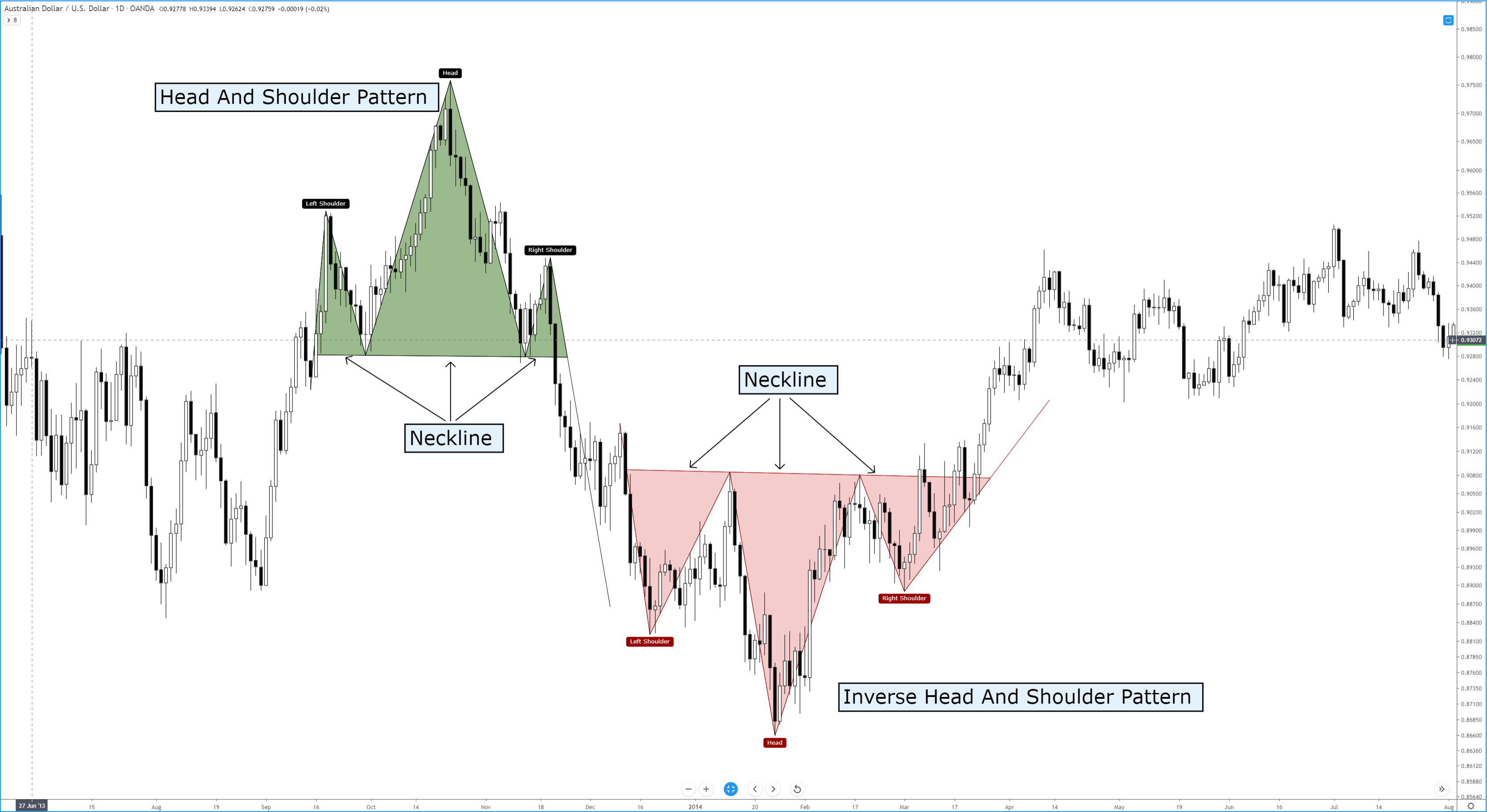
Chart Patterns The Head And Shoulders Pattern Forex Academy

Must be Profit if you identify Resistance and Support Line (Part13
The Height Of The Pattern Plus The Breakout Price Should Be Your Target Price Using This Indicator.
The Pattern Appears As A Head, 2 Shoulders, And Neckline In An Inverted Position.
It Is The Opposite Of The Head And Shoulders Chart Pattern,.
Following This, The Price Generally Goes To The Upside And Starts A New Uptrend.
Related Post: