
Holding Pattern Entries
Holding Pattern Entries - Web holding pattern entries are essential to safe ifr flight, and must be practiced often, but do you always remember how? But first, let's review the three types of hold entries to set you up for the perfect holding pattern. While the faa recommends specific entry procedures, they are not mandatory. We cover holding speeds, holding procedures, and standard hold. Once turned inbound, generate new holding instructions, and perform an entry into the new holding pattern right after completing the inbound leg. The three holding pattern entries are designed so that an aircraft can enter a hold without excessive maneuvering. If your kansas return is based on a fiscal year, it is due the 15th day of the 4th month following the end of your Depict a 70º line relative to the holding course. Web there's an easy way to make sure you get your holding pattern entry right every time. Web this demonstration simulates a holding pattern entry situation by indicating the course of the aircraft, the radial specified to hold on, and whether or not a left turn is instructed by air traffic control (atc). Web become an expert at flying holding patterns with this quick and simple guide. We cover holding speeds, holding procedures, and standard hold. The instructions for the following lines apply to the amount from kansas sources column only. They're simple procedures to help you establish your aircraft in the hold. Web generate a holding instruction. Web one of the most challenging parts of holding is determining the correct hold entry on the fly. Fortunately, we have two tips you can use to make it easier. Web to support entries on lines b13 through b17, enclose a separate sheet with your calculations for amounts entered as kansas source income. A holding pattern consists of four parts: Decide which entry you should to use. They are used to keep an aircraft in protected airspace while delaying its arrival at a later point along its route. (6) partner’s or shareholder’s portion of federal ordinary and other income (losses) and deductions. Fortunately, we have two tips you can use to make it easier. Holds are fundamental to ifr training and provide an excellent. Multiply the percentage. The three holding pattern entries are designed so that an aircraft can enter a hold without excessive maneuvering. Web understanding holding pattern entries is crucial for any pilot flying under instrument conditions or preparing for an instrument check ride. There are three types of standard holding entries: Check out our boldmethod live session below for a great explanation on all. Web there are three standard types of entries: In all cases, one of the first steps is to determine the outbound heading for the holding pattern. Web one of the most challenging parts of holding is determining the correct hold entry on the fly. Fly one lap in the holing pattern. (6) partner’s or shareholder’s portion of federal ordinary and. Web to support entries on lines b13 through b17, enclose a separate sheet with your calculations for amounts entered as kansas source income. I say this, because in both cases the procedure doesn’t require any mental math. Direct, parallel, and offset (teardrop). The three holding pattern entries are designed so that an aircraft can enter a hold without excessive maneuvering.. A holding pattern consists of four parts: Web become an expert at flying holding patterns with this quick and simple guide. On a calendar year, it must be filed and the tax paid no later than april 18th, 2023. The proper entry procedure is determined by the angle difference between the direction the aircraft flies to arrive at the beacon. Decide which entry you should to use. The first orbit is the entry orbit, which expeditiously establishes the aircraft inbound on the holding courses. The proper entry procedure is determined by the angle difference between the direction the aircraft flies to arrive at the beacon and the direction of the inbound leg of the holding pattern. On a calendar year,. This video will show you a trick i use to visualize holding entries. (6) partner’s or shareholder’s portion of federal ordinary and other income (losses) and deductions. Look at your hold diagram (or visualize it), and consider the direction at which you are approaching the fix. Multiply the percentage in column 4 by line 3, page 1. Which way should. (6) partner’s or shareholder’s portion of federal ordinary and other income (losses) and deductions. Web to support entries on lines b13 through b17, enclose a separate sheet with your calculations for amounts entered as kansas source income. Web one of the most challenging parts of holding is determining the correct hold entry on the fly. We cover holding speeds, holding. Web one of the most challenging parts of holding is determining the correct hold entry on the fly. Once turned inbound, generate new holding instructions, and perform an entry into the new holding pattern right after completing the inbound leg. There are three types of standard holding entries: Fly one lap in the holing pattern. Fortunately, we have two tips. There are three standard types of entries: Direct, parallel, and offset (teardrop). Press reveal entry button and verify if you've picked a correct one. Web all other partners or shareholders: This video will show you a trick i use to visualize holding entries. We cover holding speeds, holding procedures, and standard hold. Web the two easiest ways to enter a holding pattern are using the direct entry and the parallel entry. Web there are three standard types of entries: While the faa recommends specific entry procedures, they are not mandatory. But first, let's review the three types of hold entries to set you up for the perfect holding pattern. Check out our boldmethod live session below for a great explanation on all three holding entries. Fortunately, we have two tips you can use to make it easier. (6) partner’s or shareholder’s portion of federal ordinary and other income (losses) and deductions. If your 2022 return is. Direct, parallel, and offset (teardrop). Depict a 70º line relative to the holding course. Web generate a holding instruction. Web depending on where you enter the holding pattern, you will need to follow an entry procedure. There are three standard types of entries: Once turned inbound, generate new holding instructions, and perform an entry into the new holding pattern right after completing the inbound leg. Look at your hold diagram (or visualize it), and consider the direction at which you are approaching the fix.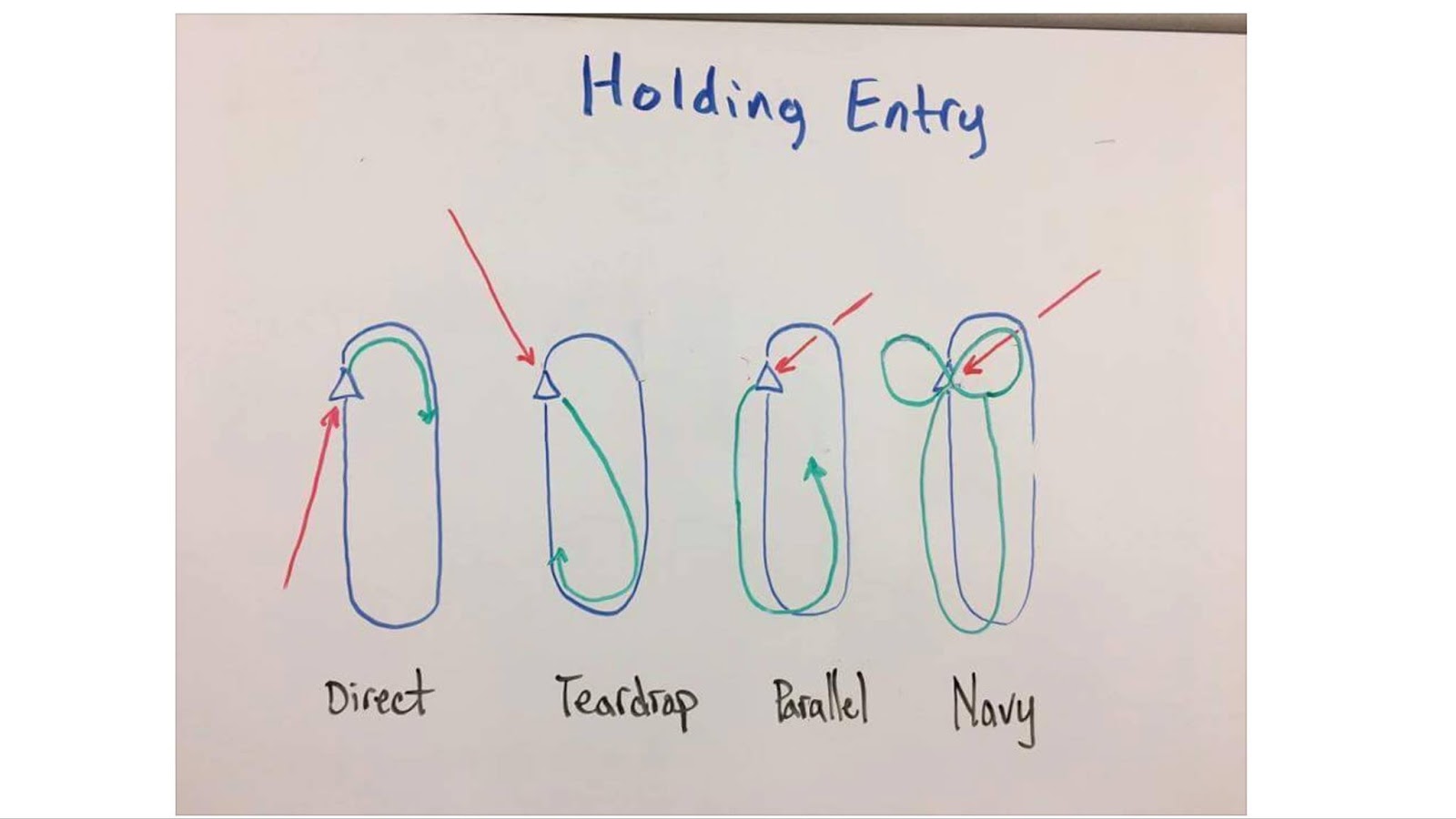
Flight To Success Entry into a Holding Pattern

Get Holding Entries Right Every Time How a CFI Visualizes Holding

Holding Pattern High Precision Entry Method — Aviation Mobile Apps, LLC.

Holding pattern entries The CBIR series

IFR holding pattern interactive scenarios Flight Training Central

Holding Pattern and Procedure Turns Tutorial (MSFS) Part 1 of 2 YouTube

Understanding how to fly a holding pattern Page 3 Pilots of America
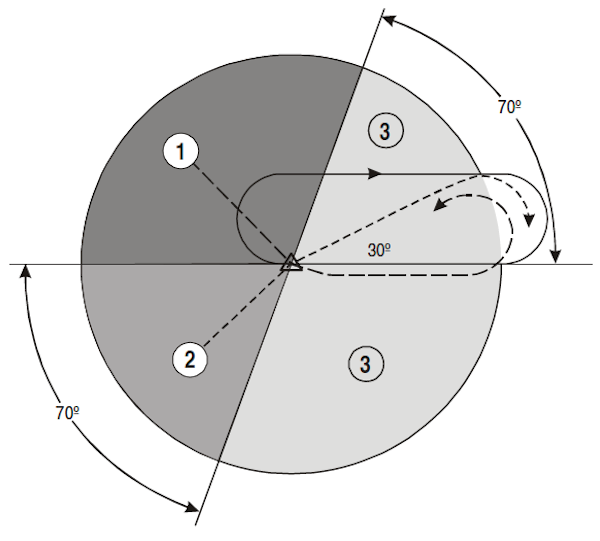
Holding

Entry into the holding Flight Crew Guide

Holding Pattern Entry Cessna 172 X Plane 11 YouTube
Which Way Should You Enter A Hold?
The Instructions For The Following Lines Apply To The Amount From Kansas Sources Column Only.
Web Understanding Holding Pattern Entries Is Crucial For Any Pilot Flying Under Instrument Conditions Or Preparing For An Instrument Check Ride.
Multiply Column 4 By The Sum Of Lines 22 And 23.
Related Post: