
Continuation Candlestick Patterns
Continuation Candlestick Patterns - Bearish continuation patterns appear midway through a downtrend and are easily identifiable. Traders use these different patterns in studying participation in the market on the side of the demand or supply. And if you’re a trend trader, these candlestick patterns present some of the best trading opportunities out there. Here’s a table of the characteristics and significance of the upside tasuki gap bullish continuation candlestick pattern. So here are 4 continuation patterns you should know: It’s the opposite of price reversal points, as they indicate the likelihood of trends continuing in the same, higher direction. Web continuation candlestick patterns. Web candlestick patterns are made up of individual “candles,” each showing the price movement for a certain time period. These can help traders to identify a period of rest in the market, when there is market indecision or neutral price movement. It shows the difference between the opening and closing prices. Web candlestick patterns are graphic representations of the actions between supply and demand in the prices of shares or commodities. Continuations tend to resolve in the same direction as the prevailing trend: The next candle opens lower and closes lower than the previous one. These can help traders to identify a period of rest in the market, when there is. Web continuation candlestick patterns. Basic components of a candlestick. Traders use these different patterns in studying participation in the market on the side of the demand or supply. Web understanding gaps is helpful for the reliable bullish continuation candlestick patterns that i’ll be sharing in this article. Web candlestick patterns are made up of individual “candles,” each showing the price movement for a certain time period. The thick part of the candle. If a candlestick pattern doesn’t indicate a change in market direction, it is what is known as a continuation pattern. Web candlestick patterns are made up of individual “candles,” each showing the price movement for a certain time period. Web if a candlestick pattern doesn’t indicate a change in market direction, it is what is known as a continuation pattern.. Traders use these different patterns in studying participation in the market on the side of the demand or supply. The next candle opens lower and closes lower than the previous one. The wicks show the highest and lowest prices during that period. These can help traders to identify a period of rest in the market, when there is market indecision. And if you’re a trend trader, these candlestick patterns present some of the best trading opportunities out there. Web article shows the top 10 performing continuation candlesticks with links to descriptions and performance statistics, written by internationally known author and trader thomas bulkowski. Web candlestick patterns are graphic representations of the actions between supply and demand in the prices of. Web four continuation candlestick patterns. Traders use these different patterns in studying participation in the market on the side of the demand or supply. The thick part of the candle. Let’s break down the basics: The next candle opens lower and closes lower than the previous one. Let’s break down the basics: Traders use these different patterns in studying participation in the market on the side of the demand or supply. Web understanding gaps is helpful for the reliable bullish continuation candlestick patterns that i’ll be sharing in this article. Web candlestick patterns are technical trading tools that have been used for centuries to predict price direction.. The different intensity of these trends can usually be noted in the following ways: Continuations tend to resolve in the same direction as the prevailing trend: The wicks show the highest and lowest prices during that period. Continuation of an uptrend upside tasuki gap. Web four continuation candlestick patterns. Bullish, bearish, reversal, continuation and indecision with examples and explanation. It’s the opposite of price reversal points, as they indicate the likelihood of trends continuing in the same, higher direction. There can be either bearish or bullish mat hold patterns. Web a mat hold pattern is a candlestick formation indicating the continuation of a prior trend. These can help traders. There are dozens of different candlestick patterns with intuitive, descriptive. Continuation candlestick patterns signify the market is likely to continue trading in the same direction. Recognizing these patterns can provide valuable entry points and confirm the ongoing direction of price movements. Basic components of a candlestick. These patterns suggest that the current trend is likely to continue. So here are 4 continuation patterns you should know: Bullish, bearish, reversal, continuation and indecision with examples and explanation. Our goal is to look at the structure of these patterns, how they work, what the message that they are sending is, and share a simple but effective trading strategy based on the continuation patterns. Web 4.5 top 3 continuation candlestick. Web continuation candlestick patterns. Web learn about all the trading candlestick patterns that exist: Web a mat hold pattern is a candlestick formation indicating the continuation of a prior trend. Web here are a few commonly observed bullish continuation candlestick patterns: It’s the opposite of price reversal points, as they indicate the likelihood of trends continuing in the same, higher. Continuation of an uptrend upside tasuki gap. Web here are some tips to help you read candlestick charts. If a candlestick pattern doesn’t indicate a change in market direction, it is what is known as a continuation pattern. Our goal is to look at the structure of these patterns, how they work, what the message that they are sending is, and share a simple but effective trading strategy based on the continuation patterns. If a candlestick pattern doesn’t indicate a change in market direction, it is what is known as a continuation pattern. Web candlestick continuation patterns are essential tools for traders aiming to predict the persistence of a current trend. Web continuation candlestick patterns. A bullish pattern begins with a large bullish candle followed by a gap higher. Web candlestick patterns are made up of individual “candles,” each showing the price movement for a certain time period. Web japanese candlestick bullish continuation patterns that tend to resolve in the same direction as the prevailing trend. And if you’re a trend trader, these candlestick patterns present some of the best trading opportunities out there. Bearish continuation patterns appear midway through a downtrend and are easily identifiable. Web candlestick patterns are graphic representations of the actions between supply and demand in the prices of shares or commodities. A bullish candle forms after a gap up from the previous white candle. Web continuation candlestick patterns, being that they are usually spotted during technical analysis on an asset’s candlestick pattern, can indicate stronger or weaker price breakouts, as well as being signs of increased volatility. Web the continuation candlestick pattern signals a prevailing trend once the breakout is confirmed and after a temporary trading pause in the market.
Continuation Candlestick Patterns Cheat Sheet

Continuation Candlestick Patterns Cheat Sheet

FOUR CONTINUATION CANDLESTICK PATTERNS YouTube
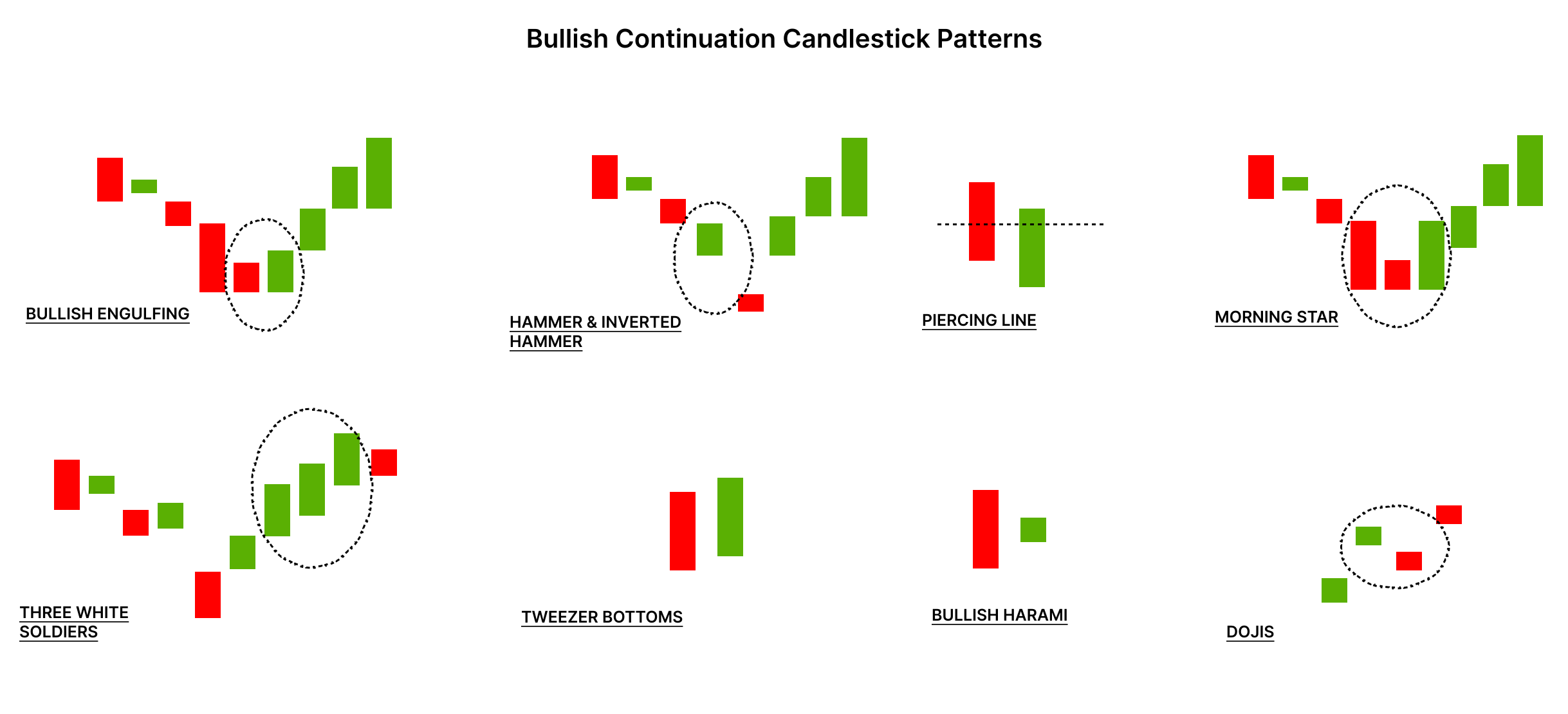
Continuation Pattern Meaning, Types & Working Finschool

Continuation Candlestick Patterns Cheat Sheet

CANDLESTICK PATTERNS LEARNING = LIVING
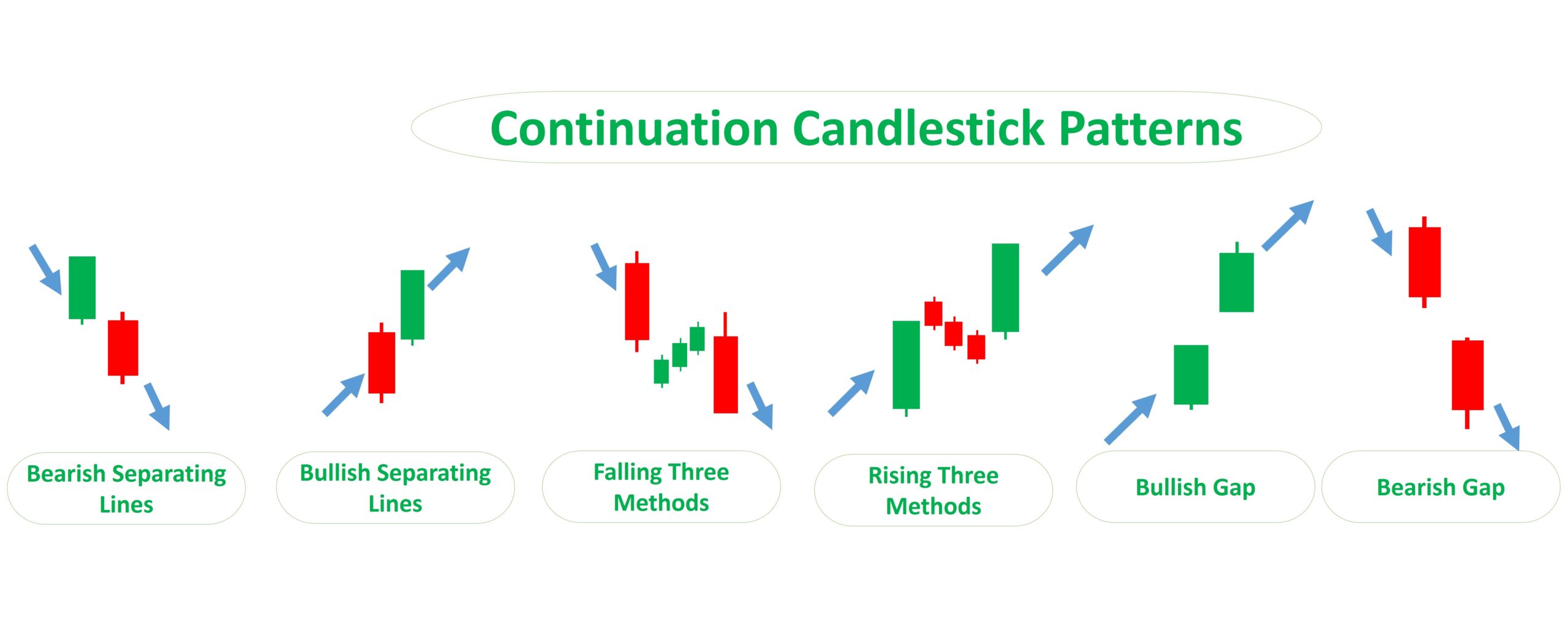
Bearish Continuation Candlestick Patterns

Continuation Candlestick Patterns Cheat Sheet

Popular Candlestick Patterns and Categories TrendSpider Learning Center
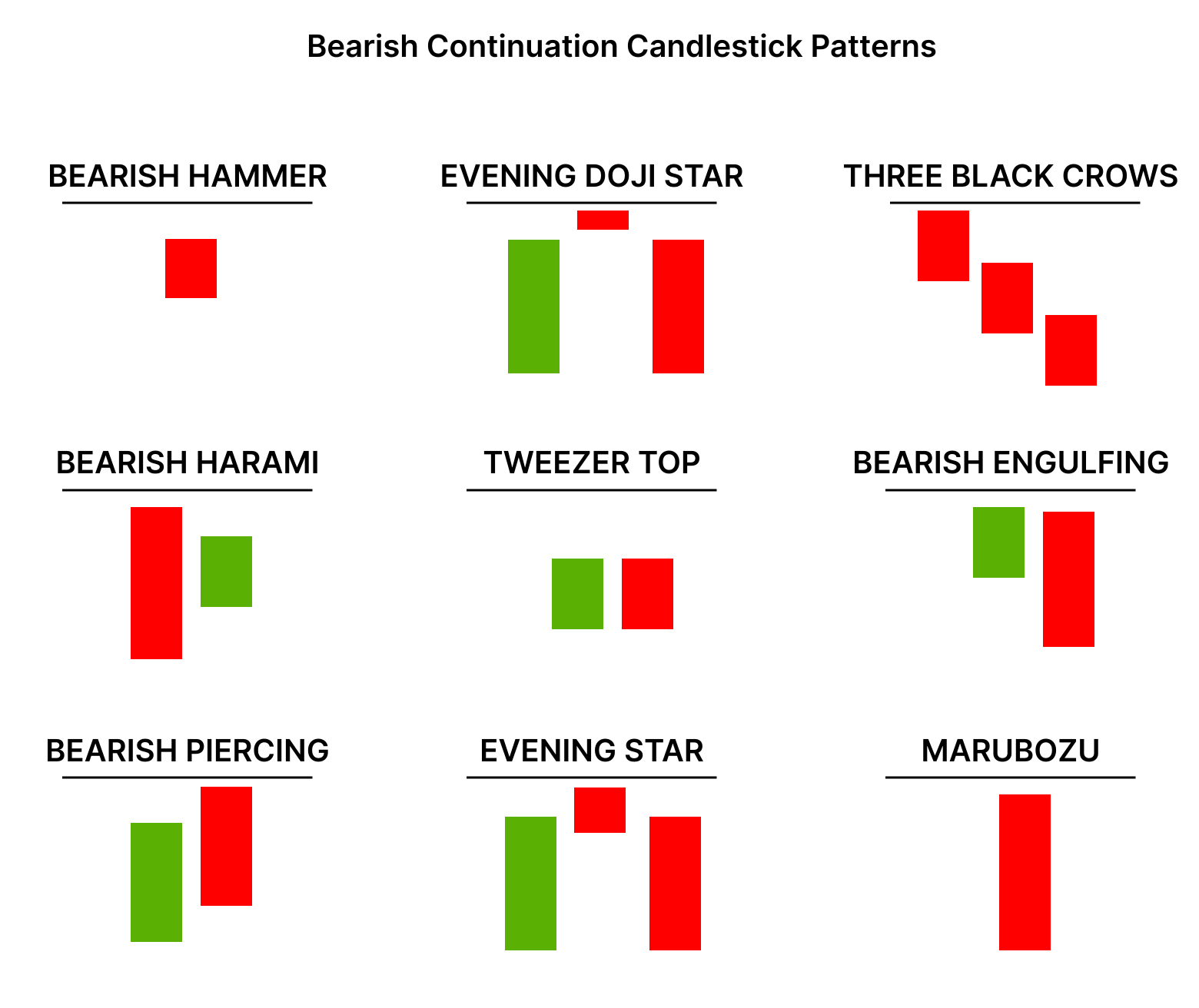
Continuation Pattern Meaning, Types & Working Finschool
Traders Try To Spot These Patterns In The Middle Of An Existing Trend, And.
Web Bearish Japanese Candlestick Continuation Patterns Are Displayed Below From Strongest To Weakest.
Continuations Tend To Resolve In The Same Direction As The Prevailing Trend:
It’s The Opposite Of Price Reversal Points, As They Indicate The Likelihood Of Trends Continuing In The Same, Higher Direction.
Related Post: