
Cervical Facet Pain Pattern
Cervical Facet Pain Pattern - The syndrome is most commonly found in the lower back (lumbar) and neck (cervical). Web cervical facet syndrome, also known as cervical facet joint pain, is a condition that occurs when the facet joints in the cervical spine become inflamed or damaged. What is facet joint syndrome? Web patients with cervical facet joint syndrome often present with complaints of neck pain, headaches, and limited range of motion (rom). Web the most common symptom is unilateral pain without radiation to the arm. Pain with and/or limitation of extension and rotation Web cervical facet pain referral patters. Rotation and retroflexion are frequently painful or limited. Web cervical facet pain is common in patients who have sustained a whiplash injury, trauma to the neck or undergone cervical fusion. Learn about symptoms, causes and simple exercises you can do. Web the most common symptom is unilateral pain without radiation to the arm. The syndrome is most commonly found in the lower back (lumbar) and neck (cervical). The history should exclude risk factors for serious underlyin. This study aims to provide updated knowledge of cervical facet joint innervation with new anatomical findings. Web cervical facet syndrome, also known as cervical facet joint pain, is a condition that occurs when the facet joints in the cervical spine become inflamed or damaged. Referred pain patterns have been studied in healthy volunteers without neck pain as well as in those with proven cervical joint pain. The pain referral pattern is determined by the joint level that is affected. O do not cross to the other side. Web cervical facet pain is common in patients who have sustained a whiplash injury, trauma to the neck or undergone cervical fusion. Web neck pain.1 x dwyer et al.2 established pain patterns of the cervical facet joints. Web cervical facet joint pain syndrome accounts for a great amount of cervical pain worldwide. Web the most common symptom is unilateral pain without radiation to the arm. Web patients with cervical facet joint pain complain of neck and shoulder referred pain. Cervical facet mediated pain may occur secondary to arthropathy, trauma, whiplash injury, or secondary to prior surgery. Radiating. Web patients with cervical facet joint syndrome often present with complaints of neck pain, headaches, and limited range of motion (rom). Web problems with the cervical facet joints are one of the most common sources of neck pain. Web facet joint syndrome is caused by natural wear and tear on these facets over time, causing pain. Web the most common. O parasagittal cervical and cervicothoracic pain. The cervical zygapophysial joints as a source of neck pain. From bogduk n, marsland a: Back pain might radiate in the buttock and thigh in the lumbar spine. Web cervical facet syndrome, also known as cervical facet disease or cervical osteoarthritis, is the structural deterioration of one or more of the vertebral facet joints. O parasagittal cervical and cervicothoracic pain. Vertebral joints can become worn down, misaligned, or injured, causing pain and limited movement. Pain with and/or limitation of extension and rotation Each joint has a distinct referral pattern illustrated below. From bogduk n, marsland a: Each joint has a distinct referral pattern illustrated below. Web facet joint pain is often localized to the neck and back, with some radiation into the arms and legs. The history should exclude risk factors for serious underlyin. Cervical facet syndrome includes following symptoms: The facet joints are small joints located between the neck vertebrae,. O do not/rarely cause midline cervical pain or arm pain. The history should exclude risk factors for serious underlyin. Back pain might radiate in the buttock and thigh in the lumbar spine. Here's how docs diagnose and treat facet. Web neck pain.1 x dwyer et al.2 established pain patterns of the cervical facet joints. Web the most common symptom is unilateral pain without radiation to the arm. From bogduk n, marsland a: Referred pain patterns have been studied in healthy volunteers without neck pain as well as in those with proven cervical joint pain. This study aims to provide updated knowledge of cervical facet joint innervation with new anatomical findings. The pain is described. Rotation and retroflexion are frequently painful or limited. Radiating pain from the cervical spine and thoracic spine can also affect the back of the head and produce a headache. Difficulty moving the head (needing to turn the whole body to look to the left or right) headaches. Web facet joint syndrome is caused by natural wear and tear on these. Web cervical facet syndrome, also known as cervical facet joint pain, is a condition that occurs when the facet joints in the cervical spine become inflamed or damaged. Web in addition, if the neck area, or cervical spine, has the degenerative changes associated with facet syndrome, specific symptoms may include: O parasagittal cervical and cervicothoracic pain. Difficulty moving the head. Axial neck pain (rarely radiating past the shoulders), most common unilaterally; The facet joints are small joints located between the neck vertebrae,. Web cervical facet joint pain syndrome accounts for a great amount of cervical pain worldwide. Radiating pain from the cervical spine and thoracic spine can also affect the back of the head and produce a headache. Web in. Cervical facet mediated pain may occur secondary to arthropathy, trauma, whiplash injury, or secondary to prior surgery. Web cervical facet arthropathy is a degenerative process that may lead to axial and mechanical spine pain. The syndrome is most commonly found in the lower back (lumbar) and neck (cervical). Referred pain patterns have been studied in healthy volunteers without neck pain as well as in those with proven cervical joint pain. Difficulty moving the head (needing to turn the whole body to look to the left or right) headaches. Here's how docs diagnose and treat facet. Web patients with cervical facet joint syndrome often present with complaints of neck pain, headaches, and limited range of motion (rom). From bogduk n, marsland a: O do not/rarely cause midline cervical pain or arm pain. The facet joints are small joints located between the neck vertebrae,. Web cervical facet mediated pain can present as neck pain, headache, shoulder pain, and parascapular pain. The cervical zygapophysial joints as a source of neck pain. Web all of the lumbar facet joints are capable of producing pain that can refer to the groin (this is more common with lower facet joint pathology). 1 the prevalence of facet joint pain in the cervical spine ranges from 36% to. Each joint has a distinct referral pattern illustrated below. Axial neck pain (rarely radiating past the shoulders), most common unilaterally;
Cervical Facet Pain Map
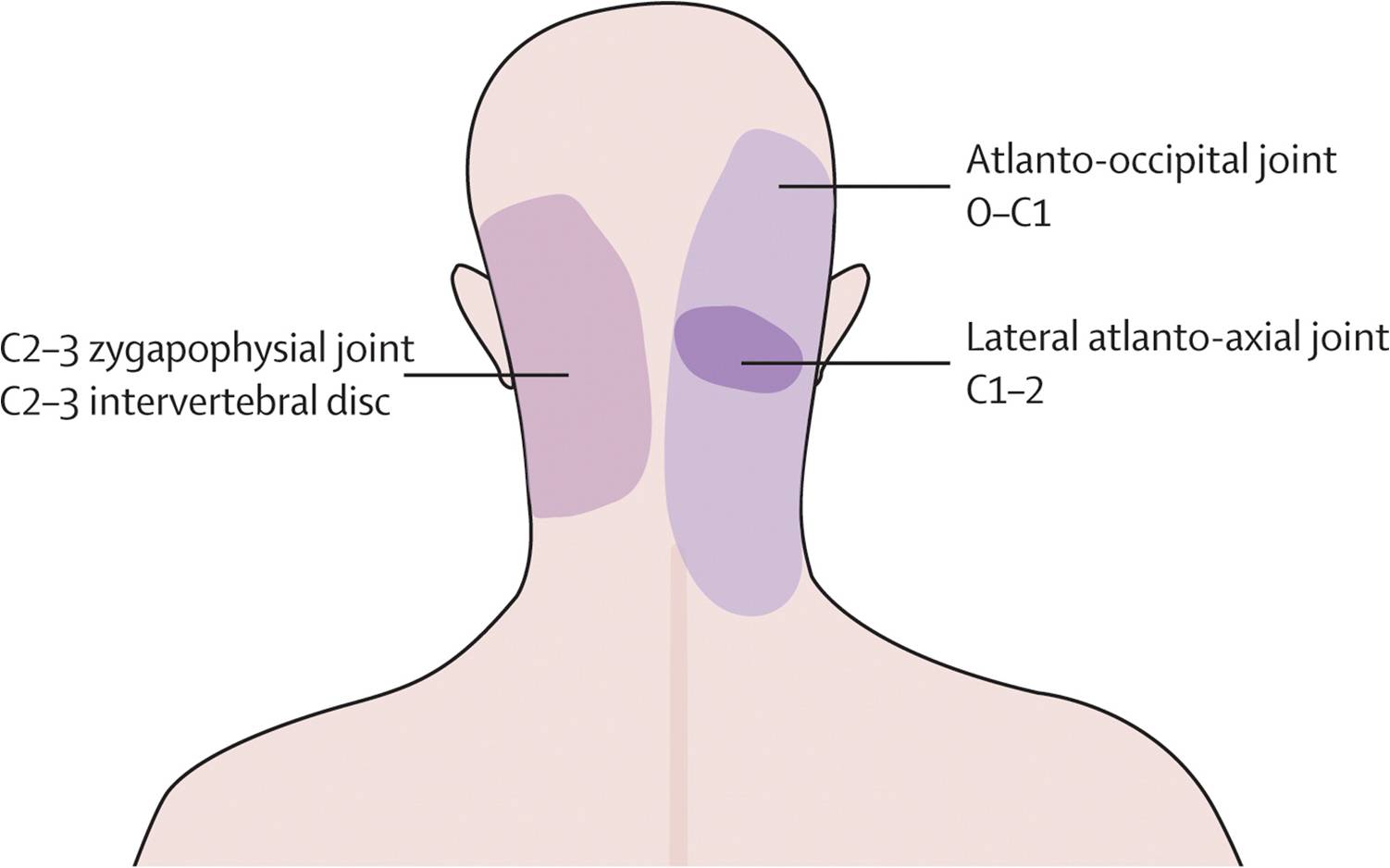
Cervical Facet Pain Map

Cervical Facet Joint Syndrome Blackberry Clinic Blog

NECK PAIN DDx Cervical Facet Syndrome & Referred Pain Patterns YouTube

Consensus practice guidelines on interventions for cervical spine
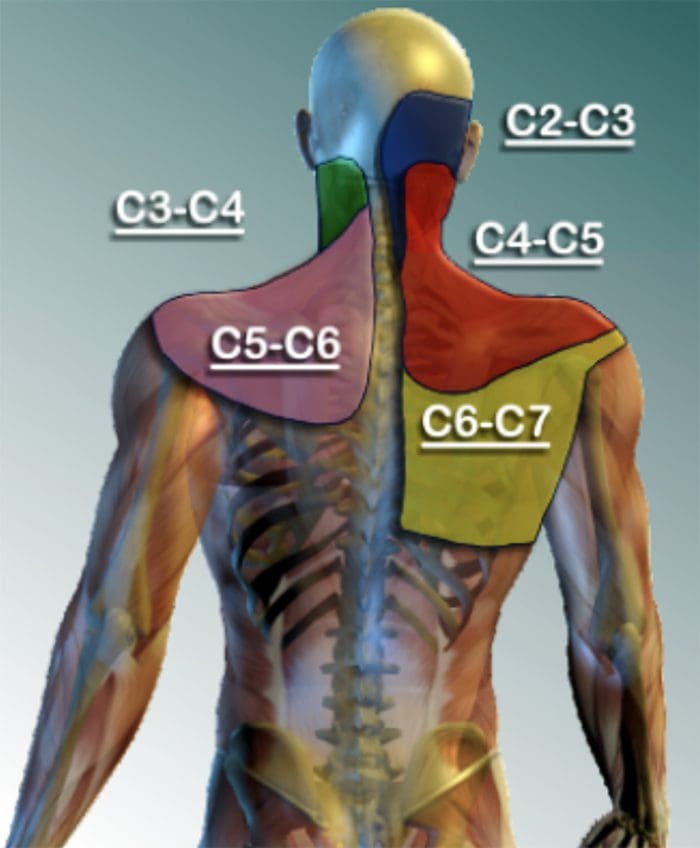
Cervical Facet Pain Map
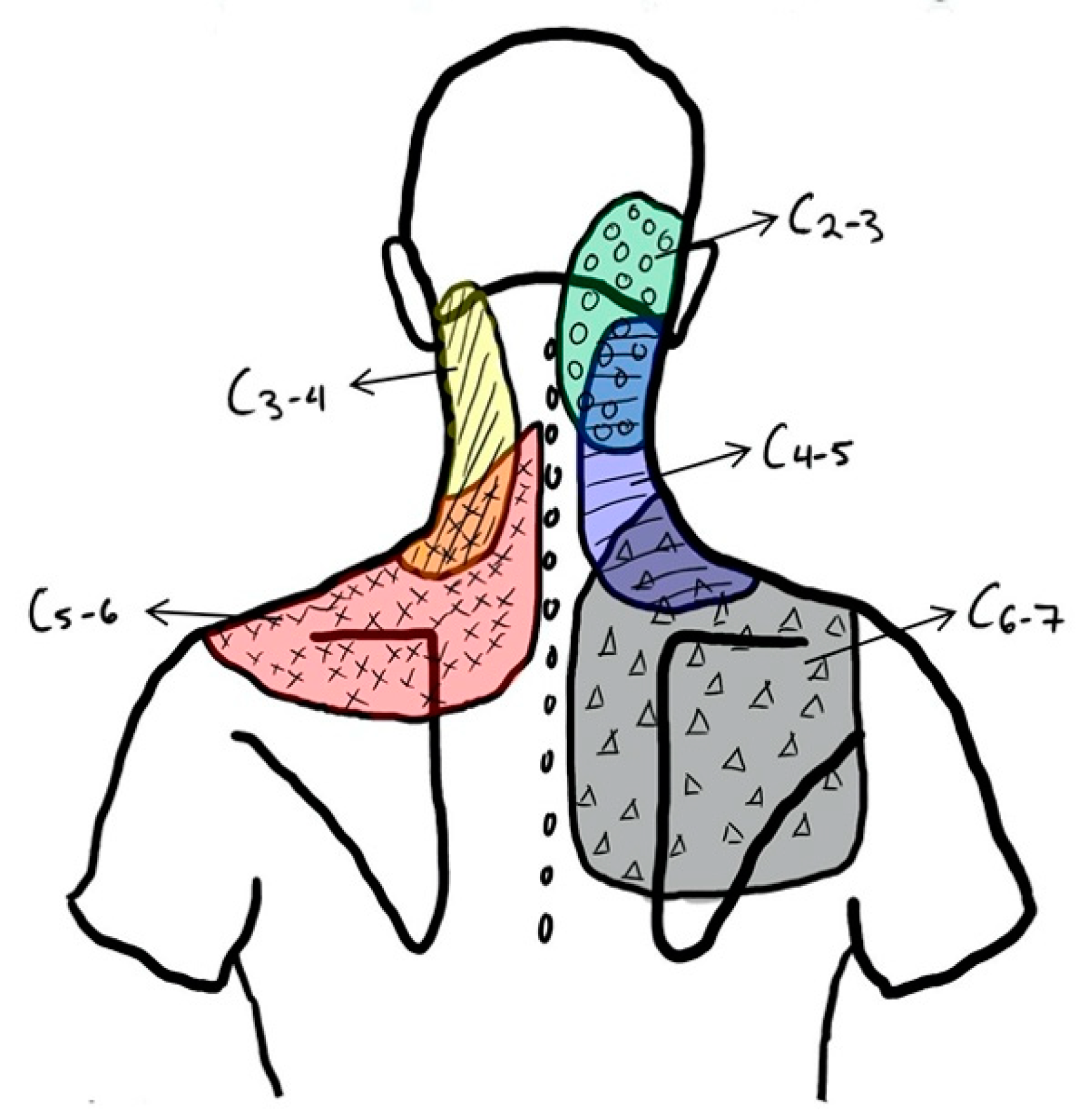
IJERPH Free FullText Medial Branch Blocks for Diagnosis of Facet
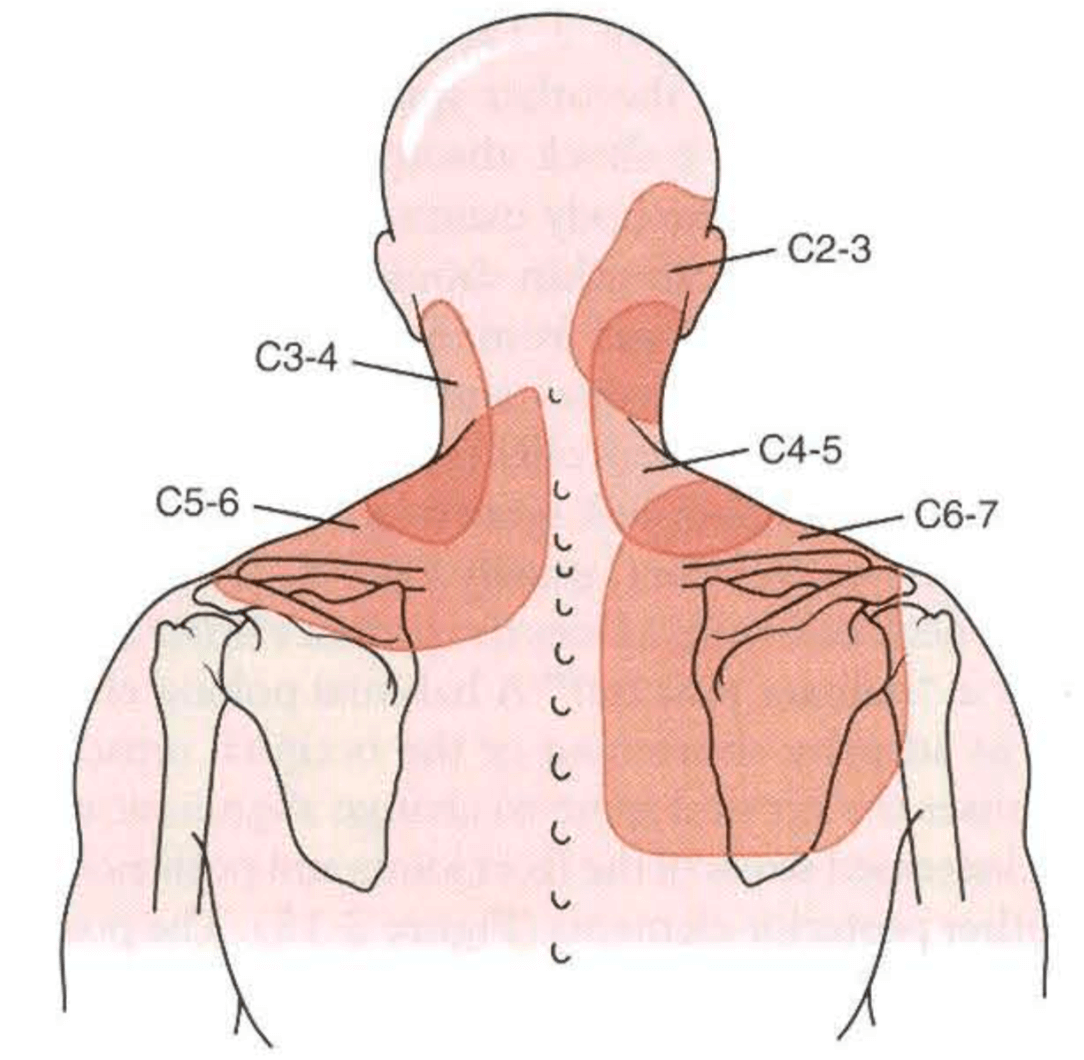
Neck pain treatment Manor Chiropractic
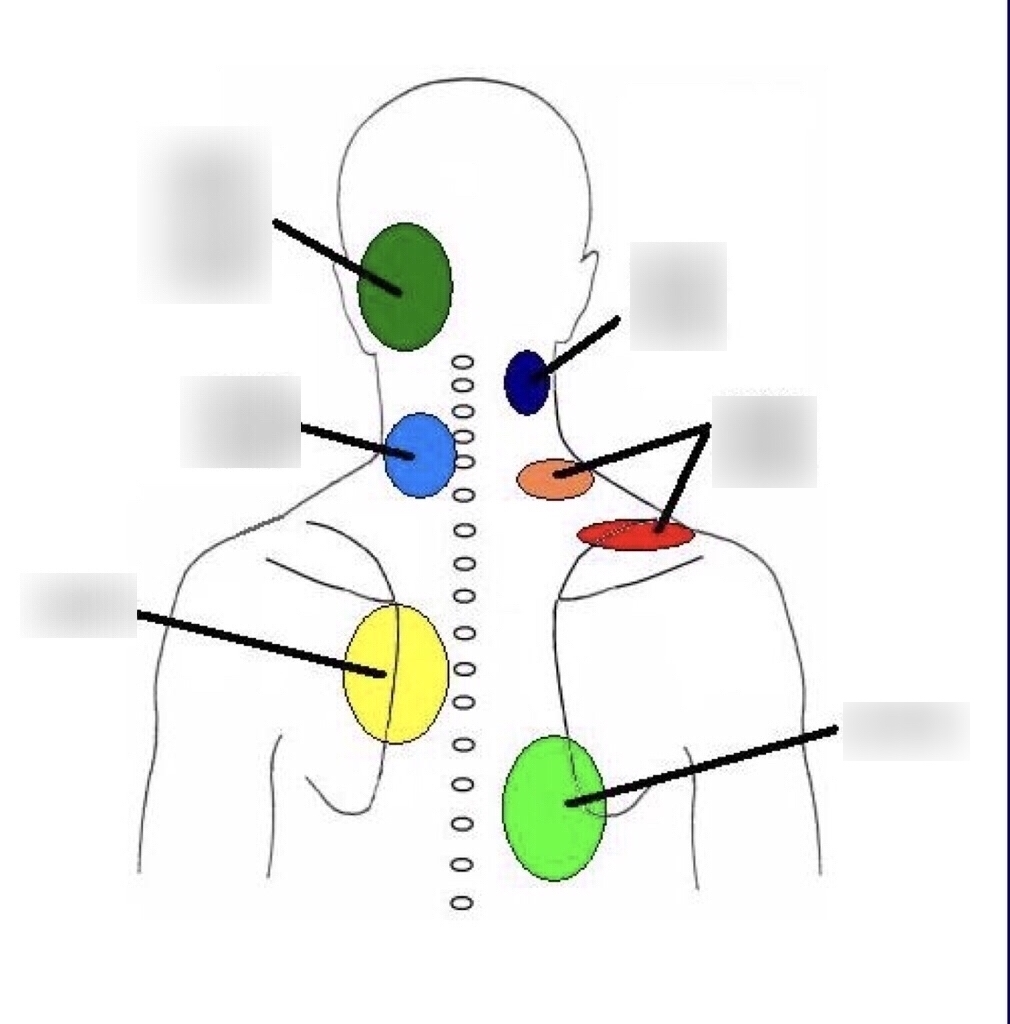
Cervical Facet Joint Referral Patterns Diagram Quizlet

Illustration of distribution pattern related to facet joint pain
Pain With And/Or Limitation Of Extension And Rotation
Cervical Facet Syndrome Includes Following Symptoms:
The Pain Referral Pattern Is Determined By The Joint Level That Is Affected.
Web Cervical Facet Syndrome, Also Known As Cervical Facet Joint Pain, Is A Condition That Occurs When The Facet Joints In The Cervical Spine Become Inflamed Or Damaged.
Related Post: